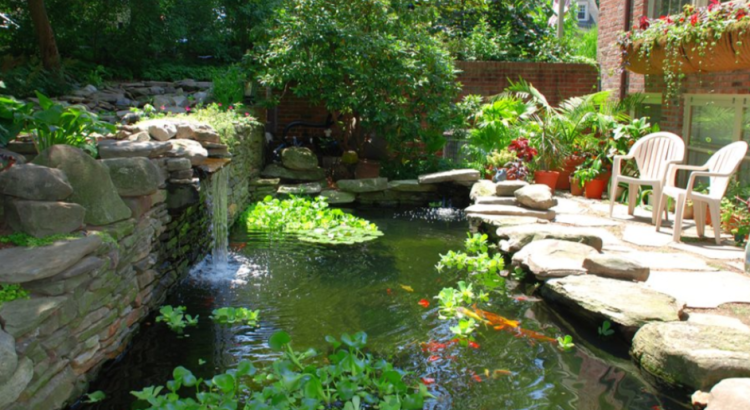
Koi fish are among the most popular pond fish in the world because of their bright colors, graceful movement, and long lifespan. With proper care, koi fish can live for several decades and continue growing throughout their lives. However, keeping koi healthy requires more than simply adding them to a pond. They need clean water, reliable filtration, proper feeding, and regular maintenance. Understanding the basics of koi fish care will help create a healthy environment where your fish can thrive and your pond can stay clear and attractive year-round.
Understanding the Basics of Koi Fish Care
Koi are larger than many common pond fish and produce a significant amount of waste. Because of this, they place greater demands on a pond’s filtration system and water quality. A healthy pond should provide enough space for the fish to swim comfortably while maintaining stable water conditions.
The most important part of koi fish care is keeping water clean and balanced. Poor water quality can cause stress, illness, and slow growth. Regular maintenance and monitoring help prevent problems before they become serious. Koi also thrive when their environment remains consistent. Sudden changes in water temperature, feeding schedules, or water chemistry can negatively affect their health.
Providing Enough Space for Koi
Koi need plenty of room to grow and move freely. Small ponds can quickly become overcrowded, leading to poor water quality and increased stress among fish. A larger pond offers a more stable environment and allows filtration systems to work more effectively.
As koi mature, they become much larger than many people expect. Planning for their future size is important when designing or expanding a pond. Providing adequate space helps support healthy growth and reduces competition for oxygen and food.
Maintaining Clean and Stable Water
Water quality directly affects every aspect of koi health. Clean water supports strong immune systems, healthy growth, and vibrant colors. Pond owners should regularly monitor water conditions to ensure that harmful substances do not build up.
Testing water on a regular basis helps identify issues before they affect fish health. Monitoring ammonia, nitrite, nitrate, and pH levels allows pond owners to make adjustments when necessary. Consistent water quality creates a safer and more comfortable environment for koi.
The Importance of Aeration
Oxygen is essential for both koi and the beneficial bacteria that live in pond filters. Proper aeration keeps oxygen levels high and helps maintain a healthy pond ecosystem.
Aeration can be provided through waterfalls, fountains, air pumps, or air stones. During warmer months, oxygen levels naturally decrease, making aeration even more important. Good oxygen levels help koi remain active and support efficient filtration.
Creating the Perfect Environment for Healthy Koi
A well-designed pond makes koi care easier and more effective. The right combination of filtration, circulation, feeding practices, and seasonal maintenance helps create a stable habitat where koi can thrive for many years.
Why Filtration Is Essential
Filtration is one of the most important parts of koi pond care. Since koi produce large amounts of waste, a strong filtration system is necessary to keep the water clean and healthy.
Mechanical filtration removes solid waste such as fish waste, leaves, and uneaten food before it begins to break down. Biological filtration supports beneficial bacteria that convert harmful ammonia into less harmful substances. Together, these systems help maintain water quality and reduce stress on the fish.
Without proper filtration, waste can quickly accumulate and create unhealthy conditions. Investing in a quality filtration system designed for koi ponds can make a significant difference in both water clarity and fish health.
Feeding Koi the Right Way
Proper feeding is an important part of maintaining healthy koi. High-quality koi food provides the nutrients needed for growth, color development, and overall well-being.
During warm weather, koi are more active and can be fed more often. However, overfeeding should be avoided because uneaten food can pollute the water and increase waste levels. Feeding only what the fish can consume within a few minutes helps keep the pond cleaner.
As water temperatures decrease, koi become less active and require less food. Feeding schedules should be adjusted based on seasonal changes to avoid digestive problems and maintain good water quality.
Seasonal Care Throughout the Year
Koi pond maintenance changes with the seasons. In spring, pond owners should inspect equipment, restart filtration systems if needed, and gradually resume feeding as water temperatures rise.
Summer often brings warmer temperatures, increased algae growth, and lower oxygen levels. During this season, extra attention should be given to aeration and water quality monitoring. Regular maintenance helps prevent common summer pond problems.
In fall, leaves and debris should be removed before they sink and decompose. Feeding should also be reduced as temperatures begin to drop. Preparing the pond for colder weather can help prevent issues during winter.
During winter, koi enter a less active state. Feeding should be stopped when water temperatures become too low. The primary goal during this season is maintaining oxygen exchange and preventing harmful gases from becoming trapped beneath ice in colder climates.
Recognizing Signs of Stress and Illness
Observing koi regularly is one of the best ways to detect potential problems. Healthy koi are active, alert, and interested in food during appropriate temperatures.
Warning signs may include loss of appetite, unusual swimming patterns, gasping at the surface, rubbing against pond surfaces, or spending excessive time isolated from other fish. These behaviors often indicate water quality issues or health concerns that require attention.
Early detection can prevent minor problems from becoming serious. Regular observation, combined with good pond maintenance, greatly reduces the risk of disease and stress.
Long-Term Tips for Success
Successful koi keeping requires consistency and patience. Performing regular maintenance, monitoring water quality, and using properly sized equipment all contribute to a healthier pond environment.
Avoid overcrowding, perform routine partial water changes, and maintain a reliable filtration system. Investing in quality pond equipment and following a regular maintenance schedule can help keep koi healthy for many years.
With proper care, koi ponds can become beautiful, relaxing outdoor spaces filled with healthy and colorful fish. By focusing on clean water, effective filtration, responsible feeding, and seasonal maintenance, pond owners can enjoy the beauty of koi fish for decades.