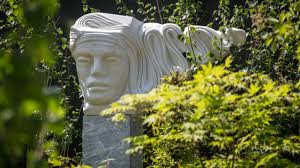
Modern gardens have evolved from simple green spaces into extensions of personal style, combining natural beauty with artistic elements. One of the most effective ways to add character and charm to any garden is through the use of garden statues. These decorative pieces not only enhance the aesthetic appeal of outdoor spaces but also serve as focal points that reflect the personality of the homeowner. By carefully selecting and placing garden statues, homeowners can create a harmonious blend of art and nature, transforming ordinary gardens into visually engaging retreats.
What Are Garden Statues?
Garden statues are sculptural elements designed to be displayed outdoors. They can range from traditional figures, such as angels, animals, or mythological characters, to modern abstract designs. Garden statues are crafted from a variety of materials, including stone, metal, concrete, and resin, each offering unique durability and aesthetic qualities. Beyond their decorative role, these statues can also help define garden zones, complement landscaping features, and add visual depth to outdoor spaces.
Why Are Garden Statues Important in Modern Gardens?
Decorative garden statues contribute to modern gardens in several ways:
- Aesthetic Enhancement: They provide a visual focal point that draws the eye and adds artistic interest.
- Theme Integration: Statues can reinforce a garden’s theme, whether classical, minimalist, contemporary, or whimsical.
- Spatial Definition: Strategically placed statues help structure the garden, guiding visitors through pathways or seating areas.
- Personal Expression: Garden statues allow homeowners to reflect their tastes, hobbies, or cultural influences.
With the growing trend of outdoor living, garden statues have become essential tools for creating visually pleasing and emotionally engaging garden environments.
What Types of Garden Statues Are Popular?
The diversity of garden statues allows homeowners to choose designs that match their style and garden layout. Common categories include:
- Animal Statues: Birds, deer, lions, and other creatures that evoke a sense of nature.
- Classical Figures: Angels, mythological characters, and human forms inspired by historical art.
- Abstract Designs: Modern sculptures that emphasize form, shape, and artistic interpretation.
- Fountains and Water Features: Statues integrated with water elements to combine aesthetics with soothing soundscapes.
- Whimsical or Thematic Pieces: Garden gnomes, fairy statues, or fantasy-inspired designs that add a playful element.
These options provide flexibility, enabling homeowners to match their garden statues with both traditional and contemporary landscapes.
How Do Garden Statues Impact Garden Design?
Garden statues do more than beautify outdoor spaces—they actively influence the perception and flow of a garden:
- Focal Points: A well-placed statue attracts attention and creates a central point around which other design elements can be arranged.
- Balance and Symmetry: Statues can be used to create visual balance in formal garden layouts.
- Height and Dimension: Vertical elements like statues introduce variation in height, adding layers and visual interest.
- Seasonal Appeal: Unlike plants that change with the seasons, statues provide year-round artistic interest.
By considering placement, scale, and style, garden statues can significantly enhance the overall design coherence of a garden.
What Materials Are Best for Garden Statues?
The choice of material affects durability, maintenance, and appearance. Common materials include:
- Stone: Highly durable and classic in appearance; perfect for traditional or formal gardens.
- Concrete: Versatile and weather-resistant, suitable for modern or minimalist designs.
- Resin and Fiberglass: Lightweight and easier to move; ideal for themed or whimsical pieces.
- Metal: Bronze, stainless steel, or iron statues offer sleek modern designs and long-lasting resilience.
Selecting the right material ensures that the statue withstands weather conditions and maintains its aesthetic appeal over time.
How Can Garden Statues Be Maintained?
Proper maintenance prolongs the life and beauty of garden statues. Key practices include:
- Regular Cleaning: Removing dirt, moss, and debris with gentle brushes or mild detergents.
- Protective Coatings: Applying sealants for stone or metal statues to prevent weather damage.
- Strategic Placement: Avoiding direct contact with soil that may retain moisture and cause erosion.
- Winter Care: Moving delicate statues indoors or providing protective coverings in harsh climates.
Consistent care ensures that garden statues remain attractive and resilient for years.
What Trends Are Shaping Modern Garden Statues?
Modern garden design increasingly emphasizes personalization, sustainability, and integration with natural elements. Some current trends include:
- Eco-Friendly Materials: Statues made from recycled or sustainable resources.
- Minimalist Designs: Clean lines and abstract forms complement contemporary gardens.
- Interactive Features: Incorporating seating, lighting, or water elements into statues.
- Cultural or Artistic Statements: Using statues to reflect heritage, art movements, or personal narratives.
These trends demonstrate how garden statues continue to evolve, reflecting both artistic innovation and practical garden design needs.
Conclusion
Garden statues are much more than decorative objects—they are essential tools in creating modern, aesthetically pleasing, and meaningful outdoor spaces. By carefully selecting statues that complement the design, material, and theme of a garden, homeowners can enhance visual appeal, define spaces, and express personal style. With proper placement, maintenance, and selection, garden statues serve as timeless elements that enrich the garden experience, offering beauty, structure, and character year-round. For anyone looking to elevate their outdoor space, investing in decorative garden statues is a practical and creative choice that blends art with nature seamlessly.