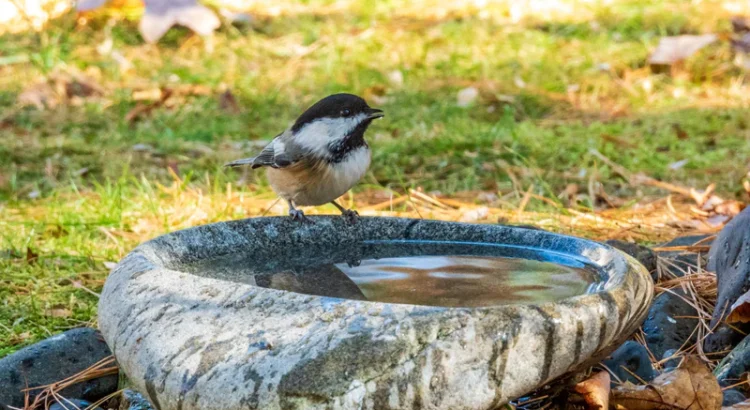
Gardens have always been spaces where nature and human creativity meet, and decorative outdoor features play an important role in shaping their beauty and ecological value. Among these features, the Stone Bird Bath stands out as a timeless addition that combines functionality with aesthetic charm, offering both visual appeal and a vital water source for birds and wildlife.
These traditional stone structures are widely appreciated for their durability, natural appearance, and ability to attract birds, making gardens more lively and environmentally balanced. Over time, they have become symbols of harmony between landscaping design and wildlife support.
What is a stone bird bath and why is it important for gardens?
A stone bird bath is a shallow basin made from natural or carved stone, designed to hold water for birds to drink and bathe in. These structures are typically placed in gardens, courtyards, parks, and outdoor landscapes where birds frequently visit.
The importance of a stone bird bath lies in its dual function. It enhances garden aesthetics while also supporting local wildlife. Birds rely on clean water sources for hydration and feather maintenance, and a bird bath provides a safe and reliable option, especially in dry or urban environments where natural water sources may be limited.
By offering a consistent water supply, these garden features help sustain bird populations and encourage biodiversity.
Why are stone bird baths preferred over other materials?
Stone bird baths are often preferred because of their durability and natural appearance. Unlike plastic or lightweight alternatives, stone structures are resistant to weather conditions such as heat, rain, and wind.
Their weight ensures stability, preventing tipping or displacement even during strong winds or frequent bird activity. Additionally, stone blends naturally into outdoor environments, enhancing the organic feel of gardens.
Another advantage is longevity. A well-crafted stone bird bath can last for years without significant wear, making it a long-term investment for garden enthusiasts.
How do stone bird baths support wildlife and biodiversity?
Stone bird baths play an important role in supporting local ecosystems by providing accessible water sources for birds and small wildlife. Birds use these baths not only for drinking but also for bathing, which helps them maintain feather health and regulate body temperature.
In urban and suburban areas, natural water sources may be scarce or polluted. A clean and maintained bird bath becomes an essential resource for survival.
Additionally, these structures can attract a variety of bird species, increasing biodiversity in residential gardens. This creates a more dynamic and balanced ecosystem where birds contribute to pest control and pollination indirectly.
What makes traditional stone bird baths unique in design?
Traditional stone bird baths are often characterized by their classic designs, which include carved bowls, pedestal bases, and ornamental details inspired by nature or historical art styles.
These designs are not only functional but also decorative, serving as focal points in garden landscapes. The natural texture of stone adds an earthy and timeless aesthetic that complements plants, flowers, and greenery.
Some traditional designs may include intricate patterns, while others maintain a simple and minimalist structure that emphasizes natural beauty.
Where should a stone bird bath be placed in a garden?
Placement is an important factor in maximizing the effectiveness of a stone bird bath. Ideally, it should be placed in a quiet and safe area of the garden where birds feel secure.
Positioning it near trees or shrubs is beneficial, as these provide nearby shelter for birds to perch and escape if needed. However, it should not be placed too close to dense foliage where predators might hide.
A partially shaded location is ideal, as it helps keep the water cooler and reduces algae growth. The bird bath should also be placed on a level surface to ensure stability.
How do you maintain a stone bird bath properly?
Proper maintenance is essential to ensure the bird bath remains safe and attractive for wildlife. Regular cleaning prevents the buildup of algae, dirt, and bacteria that can harm birds.
The water should be changed frequently, especially during warm weather when contamination occurs more quickly. Using a brush to clean the basin helps maintain hygiene without damaging the stone surface.
Occasionally inspecting the structure for cracks or damage is also important to ensure long-term durability.
What role does water quality play in bird attraction?
Clean water is one of the most important factors in attracting birds to a bird bath. Birds are highly sensitive to water quality and will avoid contaminated or stagnant sources.
Fresh, clean water encourages frequent visits and supports healthy bird populations. In addition, moving water features or gentle water circulation can further increase attraction by simulating natural conditions.
Maintaining water quality also helps prevent mosquito breeding and other unwanted biological growth.
How do stone bird baths enhance garden aesthetics?
Stone bird baths serve as decorative focal points that enhance the overall visual appeal of gardens. Their natural texture and artistic designs complement plants, flowers, and landscape arrangements.
They can be used to create balance and symmetry in garden layouts or to highlight specific areas such as flower beds or pathways.
Over time, stone develops a natural patina that adds character and depth to its appearance, making it even more visually appealing as it ages.
What environmental benefits do bird baths provide?
Bird baths contribute to environmental sustainability by supporting local wildlife and encouraging ecological balance. Birds play an important role in controlling insect populations and spreading seeds, which helps maintain healthy plant growth.
By providing water sources, gardeners indirectly support these natural processes. This contributes to a more vibrant and self-sustaining garden ecosystem.
In addition, bird baths promote awareness of nature and encourage environmentally friendly gardening practices.
What challenges are associated with maintaining stone bird baths?
While stone bird baths are durable, they still require regular care. One challenge is preventing algae growth, especially in warm climates. This requires frequent cleaning and water replacement.
Another challenge is protecting the stone from extreme weather conditions such as freezing temperatures, which can cause cracking if water inside the basin freezes and expands.
Positioning and cleaning also require effort to ensure the bath remains safe and functional for birds.
How do seasonal changes affect bird bath usage?
Seasonal changes have a significant impact on bird activity around bird baths. During hot summer months, birds use them more frequently for hydration and cooling.
In colder seasons, usage may decrease, but in some regions, birds still rely on unfrozen water sources. Providing fresh water year-round can help support wildlife through changing environmental conditions.
Adjusting maintenance routines based on seasons ensures the bird bath remains effective throughout the year.
What is the future of garden bird bath design?
The future of bird bath design is likely to focus on combining traditional aesthetics with modern functionality. This may include self-cleaning systems, solar-powered water circulation, and eco-friendly materials.
However, traditional stone designs will continue to remain popular due to their natural appeal and long-lasting durability.
As awareness of wildlife conservation grows, bird baths will continue to play an important role in sustainable garden design.
In conclusion, stone bird baths are more than decorative garden elements. They are functional, ecological, and aesthetic features that support wildlife while enhancing outdoor spaces. Their timeless design, durability, and environmental benefits make them a valuable addition to any garden focused on beauty and biodiversity.